<?xml version="1.0" encoding="UTF-8"?><!DOCTYPE wml PUBLIC "-//WAPFORUM//DTD WML 1.1//EN" "http://www.wapforum.org/DTD/wml_1.1.xml">
<wml>
<head> 
<meta http-equiv="Expires" content="0"/> 
<meta http-equiv="Cache-Control" content="no-cache"/> 
<meta http-equiv="Pragma" content="no-cache"/> 
</head>
<card title="董志原“外史演义”，长篇小说《大原》首发_CmsTop">
	<p><a href="https://wap.xinxilanzhou.com/">首页</a> &gt; <a href="https://wap.xinxilanzhou.com/?action=category&amp;catid=1">资讯</a> &gt; <a href="https://wap.xinxilanzhou.com/?action=category&amp;catid=7">甘肃</a> &gt; </p>
	<p align="center"><big>董志原“外史演义”，长篇小说《大原》首发</big></p>
	<p align="right">2021-10-11 15:41</p>
	<p>
                <p align="center"><img src="https://upload.xinxilanzhou.com/2021/1011/thumb_100_100_1633938072470.jpg" /><br /><a href="https://wap.xinxilanzhou.com/?action=image&amp;path=2021/1011/1633938072470.jpg">查看原图</a></p><br />

首发式现场。<br />

新甘肃客户端兰州10月10日讯（新甘肃&middot;甘肃日报记者&nbsp;苏家英）&ldquo;大原高唱大风歌&rdquo;。今天上午，刘伟宏长篇小说《大原》首发式暨作品研讨会在甘肃政法大学举行。<br />

<p align="center"><img src="https://upload.xinxilanzhou.com/2021/1011/thumb_100_100_1633938072341.jpg" /><br /><a href="https://wap.xinxilanzhou.com/?action=image&amp;path=2021/1011/1633938072341.jpg">查看原图</a></p><br />

刘伟宏分享创作历程。<br />

首发式上，《大原》作者刘伟宏分享了创作历程。刘伟宏说，自己虽然是一名城管&nbsp;，但业余时间未曾放弃写作爱好，从短篇到中篇，再到用四年时间完成了一部一百多万字的长篇&mdash;&mdash;《大原》，他不断尝试以家乡的董志原为&ldquo;主角&rdquo;进行创作。<br />

<p align="center"><img src="https://upload.xinxilanzhou.com/2021/1011/thumb_100_100_1633938072819.jpg" /><br /><a href="https://wap.xinxilanzhou.com/?action=image&amp;path=2021/1011/1633938072819.jpg">查看原图</a></p><br />

<p align="center"><img src="https://upload.xinxilanzhou.com/2021/1011/thumb_100_100_1633938072153.jpg" /><br /><a href="https://wap.xinxilanzhou.com/?action=image&amp;path=2021/1011/1633938072153.jpg">查看原图</a></p><br />

研讨会现场。<br />

刘伟宏介绍，&ldquo;大原&rdquo;，就是虚化后的董志原，这两个字，既是本书的文眼，又是主人公精气神的外在体现。&ldquo;&nbsp;董志原的历史浑厚，她是破译中国西北革命历史发生发展过程的钥匙。希望我能借助文学，真实地还原董志原一段段历史发生的背景、经过、结果及回音。&rdquo;为此，他大量查阅了地方史志史话和民俗文化书籍，研究了陇东民歌、信天游、莲花落、打夯调等的语言特点，先后前往庆阳城、南梁、山城堡、老爷岭、老爷山等地采风，从群众口耳相传的故事中发掘写作素材。<br />

<p align="center"><img src="https://upload.xinxilanzhou.com/2021/1011/thumb_100_100_1633938072867.jpg" /><br /><a href="https://wap.xinxilanzhou.com/?action=image&amp;path=2021/1011/1633938072867.jpg">查看原图</a></p><br />

<p align="center"><img src="https://upload.xinxilanzhou.com/2021/1011/thumb_100_100_1633938072187.jpg" /><br /><a href="https://wap.xinxilanzhou.com/?action=image&amp;path=2021/1011/1633938072187.jpg">查看原图</a></p><br />

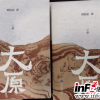
《大原》。&nbsp;（本文配图均由&nbsp;新甘肃&middot;甘肃日报记者&nbsp;苏家英&nbsp;摄）<br />


</p>
		<p><a href="https://wap.xinxilanzhou.com/?action=comment&amp;contentid=112967">共有评论0条</a></p>
<p><anchor title="返回"><prev/>&lt;返回</anchor><br /><br /><a href="https://wap.xinxilanzhou.com/" title="返回首页">&lt;返回首页</a></p>
<p align="center">Copyright CmsTop.com<br />2026年07月03日 07:00:30</p></card>
</wml>